
Maintaining an insect-free home may be an ongoing struggle, particularly when insects seem to be coming in amidst all the cleaning and home maintenance. Many people find that insects are more active at certain times of year, and that rodents and other undesirable guests appear to make new homes in their homes.
The weather often has a much greater influence than people think. Common household pests thrive in high-humidity conditions because humidity is an important factor for their survival, reproduction, and development.
As a result, houses in humid or damp areas often have more pests year-round. Knowing this link may help you take better preventive action.
This article explores the effect of humid weather on household pest activity and what can be done to minimize the risks.
1. Understanding Why Humidity Makes Household Pests Thrive
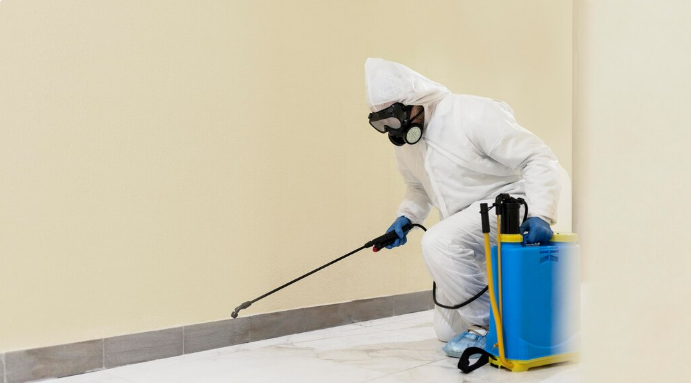
The geographic and climatic environment has a strong influence on the types of pests that occur in a region and on their activity levels throughout the year. Moisture can provide breeding, feeding, and sheltering for many species, and high humidity often leads to higher pest pressure.
New Orleans is a classic case of a humid climate where pests are always a problem. It has a warm, humid climate that is ideal for cockroaches, termites, mosquitoes, rodents, and ants to thrive, which is why homeowners rely on exterminators in New Orleans.
Pest survival is directly related to humidity. Many insects lose water through their exoskeletons and must replenish it to avoid dehydration. Pests live longer, reproduce more successfully, and grow larger in populations when humidity is maintained. Wet weather also promotes mold, rotting plant tissues, and waterlogging, which can attract a range of pests.
2. Moisture Encourages Faster Pest Reproduction
The most important influence of humidity is on pest reproduction. Cockroaches are attracted to high humidity, which aids egg development and survival. Wet soil also helps ant colonies establish their nests and increase their numbers.
Mosquitoes are another great example. Humid weather and frequent rain create ideal breeding sites: standing water. Mosquito larvae can survive in small water accumulations in gutters and outdoor containers. Pest populations are increasing faster and may cause infestations that seem to happen in a hurry.
3. Humid Conditions Increase Termite Activity

Humidity plays a role in the damage termites cause. Subterranean termites need moisture to survive and often have colonies in moist soil. They thrive in high humidity, as this helps keep them in the right conditions and prevents dehydration during foraging.
Consistently humid weather can lead to more termite activity and pressure on areas. Too much wetness within homes can also make them vulnerable.
Leaky pipes, crawl spaces with no air exchange, and wet wood are inviting habitats for termites. Moisture management is critical to termite prevention, as infestations are often only detected after damage has been done.
4. Damp Homes Attract More Indoor Pests
Humidity not only affects outdoor pest populations, but also indoor ones. It can also make your home more attractive to pests seeking water. The bathrooms, basements, laundry rooms, kitchens, and crawl spaces tend to hold more moisture than other parts of a house. These wet areas are especially attractive to silverfish, cockroaches, centipedes, and some types of ants.
Moisture pockets can form around windows, plumbing leaks, and in areas with poor ventilation. These areas offer both shelter and water, and pests can start to thrive out of sight. Lowering the humidity inside the house can make it less inviting to pests that rely on moisture.
5. Rodents Benefit Indirectly From Humid Environments

Although rodents do not depend on humidity as insects do, humid climates can still contribute to rodent activity.
High moisture levels encourage vegetation growth, creating additional shelter and food sources around homes. Dense landscaping and accumulated debris provide excellent hiding places for mice and rats.
Frequent storms and heavy rainfall may also drive rodents indoors as they seek dry shelter. Once inside, they can access food, nesting materials, and protected spaces that support infestations. Maintaining your yard and sealing entry points can help reduce these risks.
How Homeowners Can Reduce Pest Problems in Humid Climates
While you cannot control the weather, you can limit the conditions that attract pests. Start by addressing moisture issues both inside and outside your home. Repair leaking pipes, improve ventilation in damp areas, and use dehumidifiers where necessary. Keeping indoor humidity levels under control can make a noticeable difference.
Outside, ensure proper drainage around your property. Clean gutters regularly, remove standing water, and trim vegetation away from exterior walls. These steps help eliminate common pest habitats and breeding sites.
Regular inspections are equally important. Early detection allows you to identify signs of pest activity before a minor problem becomes a larger infestation.
Final Thoughts
Humidity plays a major role in household pest activity. Moisture supports pest survival, encourages reproduction, increases termite pressure, and creates attractive environments for many insects and rodents.
As humidity levels rise, pests gain access to the water, shelter, and breeding conditions they need to thrive. Fortunately, understanding this connection helps you take preventive action. By reducing excess moisture, improving ventilation, eliminating standing water, and maintaining your property, you can lower the likelihood of infestations.
Consistent prevention remains the most effective strategy. When you actively manage humidity-related risks, you create a less hospitable environment for pests and help protect your home from costly, frustrating pest problems year-round.