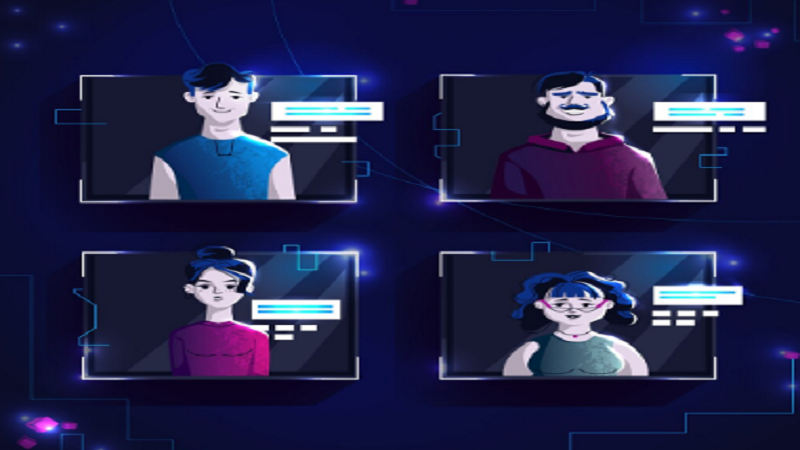
The way people present themselves online has changed dramatically over the past decade.
Social media platforms, online communities, gaming environments, virtual workplaces, and
digital learning spaces have become central parts of everyday life. As individuals spend
more time interacting in digital environments, the need for a recognizable and consistent
online identity continues to grow. One of the most effective tools for creating that identity is a
personalized avatar.
An avatar is a visual representation of a person in a digital space. Unlike traditional profile
photographs, avatars provide greater flexibility and creativity. They can be realistic, cartoon-
style, artistic, professional, or completely imaginative. This versatility allows users to create
an image that reflects their personality, interests, and goals while helping them stand out in
increasingly crowded online spaces.
The importance of digital identity has grown alongside the expansion of online
communication. Whether someone is participating in a professional networking platform,
joining an online gaming community, attending a virtual conference, or creating content on
social media, their visual representation often serves as the first impression others receive.
A thoughtfully designed avatar can immediately communicate professionalism, creativity,
confidence, or individuality.
One major advantage of avatars is their ability to support self-expression. People often want
to showcase aspects of their personality that may not be captured in a standard photograph.
An artist may choose a colorful illustrated character, while a business professional might
prefer a clean and polished digital portrait. Others may select designs that highlight hobbies,
favorite colors, interests, or unique personal styles. This freedom allows individuals to create
an identity that feels authentic and memorable.
Privacy is another significant reason why avatars have become increasingly popular. Not
everyone is comfortable sharing personal photographs across multiple online platforms.
Concerns about digital privacy, identity theft, and data security have encouraged many users
to seek alternatives. Avatars allow people to participate fully in digital communities without
revealing personal images, creating a balance between visibility and privacy.
The rise of personal branding has also contributed to the growing demand for custom
avatars. Entrepreneurs, freelancers, content creators, and professionals understand that a
strong online presence can influence opportunities and audience engagement. Consistency
is a key element of effective branding, and a recognizable avatar can help establish that
consistency across websites, social media profiles, newsletters, and digital portfolios.
Content creators, in particular, benefit from unique avatars. YouTubers, podcasters,
streamers, bloggers, and social media influencers often use personalized graphics to
strengthen brand recognition. Audiences quickly learn to associate a specific avatar with a
creator's content, making it easier to build familiarity and trust. Over time, this visual
consistency can contribute significantly to audience growth and brand loyalty.
Social media platforms have embraced avatar culture as users seek creative ways to
differentiate themselves. Millions of profiles compete for attention, and a distinctive visual
identity can make a profile more memorable. Avatars offer an opportunity to showcase
creativity while maintaining a professional or personal image that aligns with individual goals.
Gaming communities have played a major role in popularizing avatars. For decades, gamers
have customized characters to represent themselves in virtual worlds. These avatars often
become extensions of personal identity, allowing players to express themselves while
enhancing immersion within games. The emotional connection many people develop with
their digital characters demonstrates the importance of visual representation in online
experiences.
The growing popularity of remote work has expanded the role of avatars even further. Many
professionals now collaborate through virtual meeting platforms, workplace communication
tools, and online project management systems. While traditional headshots remain common,
avatars provide an alternative that can appear professional while adding personality. They
help create a consistent visual presence across multiple digital workspaces.
Educational environments have also adopted avatars as part of online learning experiences.
Students participating in virtual classrooms, collaborative projects, and discussion forums
often use avatars to represent themselves. These visual identities can make online learning
feel more interactive and engaging while helping participants feel connected despite physical
distance.
Technological advancements have made avatar creation easier than ever before. In the
past, designing a custom avatar often required artistic talent or specialized graphic design
software. Today, intuitive design tools allow users to create professional-looking avatars
within minutes. Many individuals turn to an avatar maker to design customized digital
representations that align with their personal style, professional image, or online brand
without needing extensive design experience.
Businesses have also recognized the value of avatars in customer engagement. Many
companies use avatar-based virtual assistants, chatbots, and support agents to make digital
interactions feel more human and approachable. Visual representations can help build trust
and create more engaging user experiences while reinforcing brand identity.
The rise of virtual reality and immersive digital environments has further increased the
importance of avatars. In these spaces, avatars serve as the primary means of self-
representation. Users can customize appearance, clothing, accessories, and expressions to
create highly personalized digital identities. As virtual experiences become more
sophisticated, avatars are expected to play an even larger role in how people interact online.
Research into digital behavior suggests that avatars can influence confidence and
communication. People often choose avatars that represent qualities they value or aspire to
embody. In some cases, avatars encourage users to participate more actively in
discussions, collaborate more effectively, or express themselves more openly. This
psychological connection helps explain why avatars have become such an important part of
online culture.
Visual communication continues to dominate the digital landscape. As attention spans
become shorter and competition for visibility increases, people need effective ways to make
memorable impressions. A unique avatar provides a simple yet powerful solution by
combining creativity, recognition, and self-expression in a single visual element.
Looking ahead, advances in artificial intelligence, animation, and augmented reality are likely
to transform avatar technology even further. Future avatars may include realistic facial
expressions, voice synchronization, real-time motion tracking, and enhanced personalization
features. These innovations will make digital interactions more immersive and allow users to
create increasingly authentic online representations.
Ultimately, avatars have evolved beyond simple profile images. They have become powerful
tools for communication, branding, privacy, creativity, and self-expression. Whether used in
professional networking, gaming, education, content creation, or virtual reality, avatars help
individuals establish meaningful digital identities and connect with others in engaging ways.
As online interactions continue to shape modern life, the importance of a strong digital
identity will only increase. Personalized avatars offer a flexible and creative way to build that
identity, helping people present themselves confidently while navigating the ever-expanding
digital world.