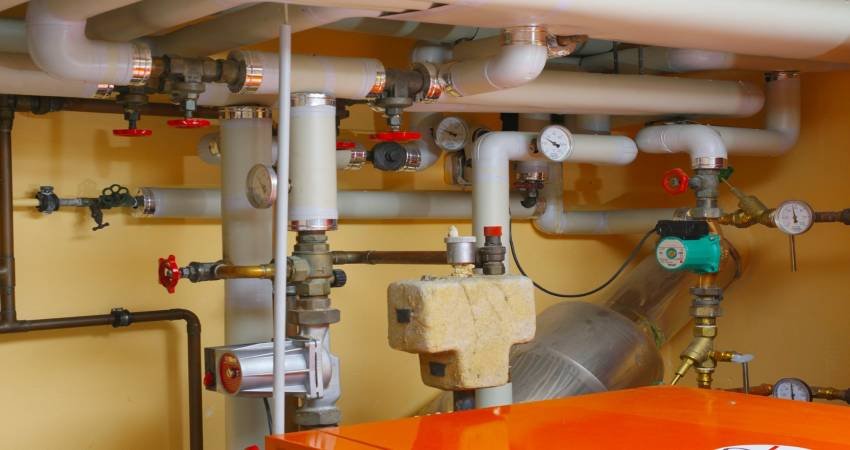
Household energy costs have become one of the biggest considerations for homeowners when planning renovations or replacing essential appliances. As utility prices fluctuate and people look for ways to improve efficiency, many are carefully evaluating whether their current gas hot water system continues to meet their needs or whether an alternative solution may offer better long-term value. The conversation has shifted beyond simple installation costs, with greater attention now being given to operating expenses, energy efficiency, environmental impact, and future household requirements.
Homeowners Are Looking Beyond the Purchase Price
Not long ago, many appliance decisions were based primarily on upfront cost. Today, however, homeowners are taking a broader view of the total cost of ownership.
When comparing water heating options, people often consider:
- Installation costs
- Expected operating expenses
- Maintenance requirements
- Equipment lifespan
- Energy efficiency
- Future repair costs
This more comprehensive approach helps households make decisions that align with both their financial goals and lifestyle needs.
Long-Term Running Costs Matter More Than Ever
As energy prices continue to receive attention, ongoing operating costs have become an important part of the decision-making process.
Many homeowners now ask questions such as:
- How much energy does the system consume?
- Will operating costs remain manageable over time?
- Is the system appropriately sized for the household?
- How efficient is it during everyday use?
Understanding these factors allows homeowners to compare different technologies based on long-term performance rather than initial purchase price alone.
More Choices Are Available Than Before
Advances in technology have expanded the range of residential water heating solutions.
Depending on household requirements, homeowners may consider options such as:
- Gas water heaters
- Electric storage systems
- Heat pump water heaters
- Solar-assisted water heating
- Continuous flow systems
Each technology offers different features, installation requirements, and operating characteristics, making professional guidance valuable when selecting the most suitable option.
Energy Efficiency Is Influencing Household Decisions
Improving household efficiency has become a priority for many families seeking to manage rising utility expenses.
Water heating is often one of the largest contributors to residential energy consumption because hot water is used daily for:
- Showering
- Bathing
- Laundry
- Dishwashing
- Cleaning
- Food preparation
Small improvements in efficiency can have a meaningful effect over the lifespan of a water heating system.
Environmental Awareness Is Part of the Discussion
Many homeowners are also considering the environmental impact of their household appliances.
While financial savings remain important, increasing numbers of people are interested in reducing energy consumption and supporting more sustainable living.
Questions that often arise include:
- Can the system improve overall energy efficiency?
- Does it work well with renewable energy sources?
- Will it support future sustainability goals?
These considerations have become part of the broader conversation surrounding household energy planning.
Smart Technology Supports Better Energy Management
Connected home technology has given homeowners greater visibility into how energy is used throughout the house.
Modern monitoring tools may allow users to:
- Track electricity usage
- Monitor energy trends
- Schedule appliance operation
- Receive maintenance reminders
- Identify opportunities to improve efficiency
Access to real-time information helps homeowners make more informed decisions about appliance operation and future upgrades.
Household Needs Continue to Evolve
The ideal water heating solution often depends on the specific needs of each household.
Important factors include:
- Number of occupants
- Daily hot water demand
- Available installation space
- Existing plumbing infrastructure
- Local energy availability
- Future renovation plans
Evaluating these factors carefully helps ensure the selected system continues meeting household requirements for many years.
Maintenance Plays an Important Role
Regardless of the technology used, regular maintenance helps support reliable operation.
Routine servicing may include:
- Inspecting components
- Checking safety devices
- Examining connections
- Removing sediment where appropriate
- Identifying signs of wear
Following manufacturer recommendations and arranging professional servicing when required can help maintain performance while reducing the likelihood of unexpected issues.
Renewable Energy Is Influencing Future Planning
The growing popularity of rooftop solar systems and home battery storage has encouraged homeowners to think differently about household energy use.
Many people now consider whether future appliance upgrades will:
- Integrate with renewable energy systems
- Improve overall household efficiency
- Support long-term energy planning
- Reduce dependence on fluctuating energy prices
This forward-looking approach reflects a broader interest in creating homes that are both efficient and adaptable.
Making an Informed Decision
Choosing between gas and alternative water heating technologies involves balancing several important considerations.
Rather than focusing on a single feature, homeowners benefit from evaluating:
- Household usage patterns
- Long-term operating costs
- Installation requirements
- Maintenance expectations
- Energy efficiency goals
- Professional recommendations
A qualified installer can help assess these factors and recommend a solution suited to the home’s unique circumstances.
Final Thoughts
Rising household energy costs have transformed the way homeowners evaluate water heating systems. Instead of concentrating solely on purchase price, many people now consider efficiency, operating expenses, sustainability, maintenance, and future flexibility before making a decision.
Whether remaining with an existing system or exploring alternative technologies, taking a thoughtful and informed approach helps ensure the chosen solution supports both comfort and long-term value. As household energy priorities continue to evolve, careful planning and professional advice will remain essential for selecting a water heating system that meets today’s needs while preparing for tomorrow’s opportunities.See More
One thought on “How Rising Household Energy Costs Have Changed the Conversation Around Gas vs. Alternative Systems”
Comments are closed.