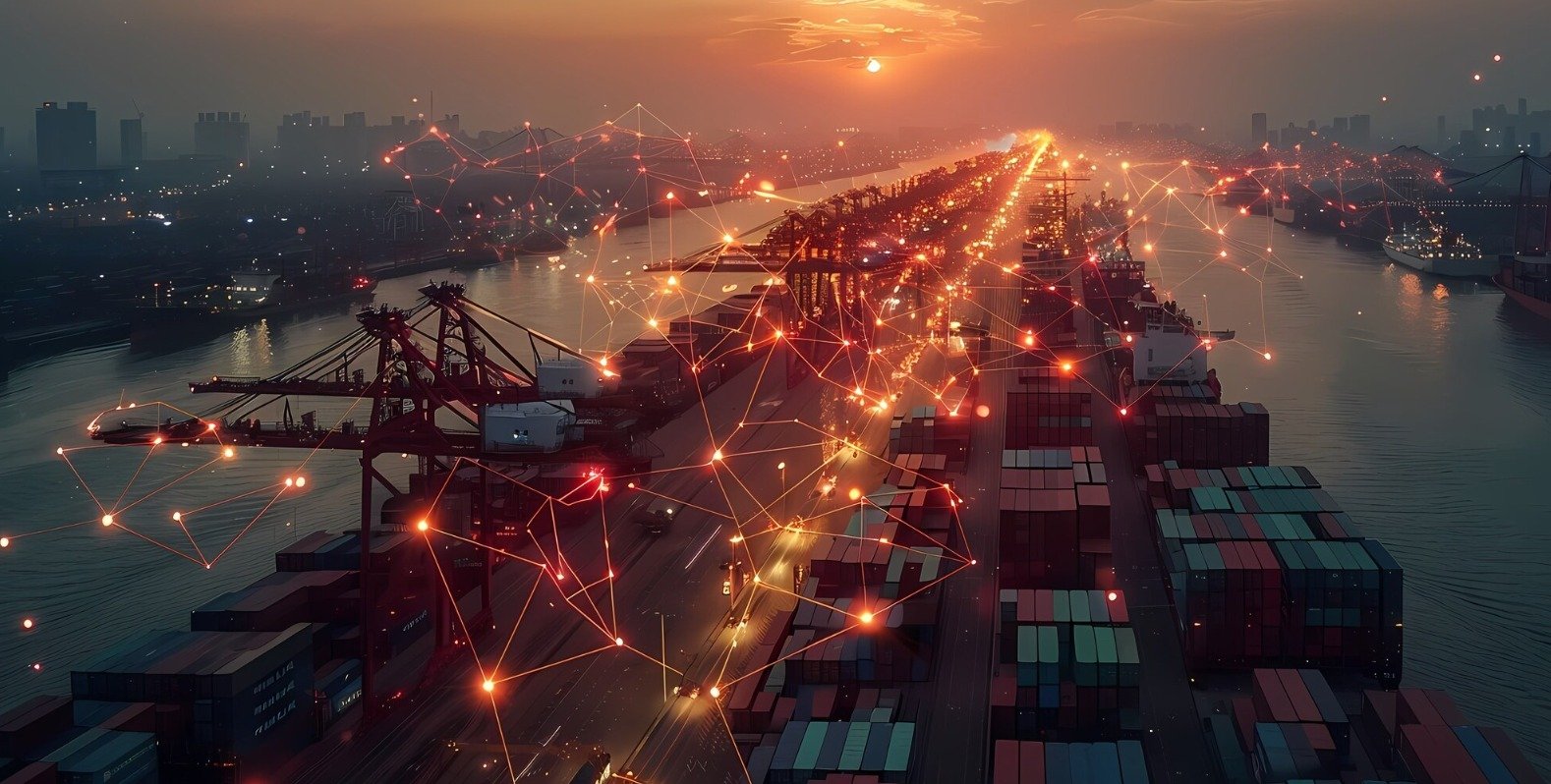
Global trade depends on coordination. A single international shipment may involve exporters, carriers, ports, customs authorities, freight forwarders, and importers across several countries. When information is fragmented between emails, spreadsheets, and separate systems, managing that journey becomes slower and more difficult.
The rise of digital freight forwarding systems is changing this model by bringing shipment information and operational workflows into more connected digital environments. Freight forwarders can gain better visibility, automate repetitive processes, and respond more quickly when conditions change. As global supply chains become increasingly complex, these capabilities are reshaping how international freight is managed.
Digital freight forwarding is shifting global logistics from fragmented communication toward connected, data-driven coordination.
Why Traditional Freight Forwarding Is Being Rethought
Freight forwarding has traditionally involved a substantial amount of manual coordination. Teams may exchange shipment details by email, maintain information in spreadsheets, request status updates from carriers, and process numerous documents throughout a shipment’s journey.
This approach becomes difficult to scale as shipment volumes and supply chain complexity increase.
Common challenges include:
- Fragmented shipment information
- Repetitive data entry
- Delayed status updates
- Limited end-to-end visibility
- Time-consuming documentation
- Difficulty responding quickly to exceptions
Digital freight forwarding aims to reduce this fragmentation by creating more structured workflows around international shipments.
Real-Time Visibility Changes How Freight Is Managed
Visibility is one of the most important improvements digital technology brings to freight forwarding.
In traditional workflows, logistics teams may only discover a delay after requesting an update or receiving notification from another party. Digital systems can consolidate shipment information and transportation milestones so teams have a clearer view of freight movements.
Greater visibility helps answer critical questions:
- Where is the shipment?
- Has it reached an important milestone?
- Is it progressing according to schedule?
- Has an exception occurred?
- Does the customer need an update?
Having this information available sooner allows freight forwarders to manage exceptions more proactively.
| Traditional Freight Forwarding | Digital Freight Forwarding |
| Spreadsheet-based tracking | Centralized shipment records |
| Manual status requests | Digital shipment visibility |
| Repetitive data entry | Automated workflows |
| Fragmented communication | Connected shipment information |
| Reactive exception handling | Faster issue identification |
Automation Reduces Administrative Friction
International freight requires considerable administrative coordination. Shipment records must be created, information needs to be updated, documents must be managed, and customers expect regular communication.
When employees perform each task manually, administrative work can consume time that could be used for managing more complex logistics decisions.
Digital freight forwarding introduces automation into repetitive parts of this process.
For example, standardized workflows can reduce repeated data entry, shipment events can trigger status updates, and digital records can make documentation easier to organize and retrieve.
Automation does not remove the need for experienced freight professionals. Instead, it gives them more time to concentrate on exceptions, customer requirements, and operational decisions.
The goal of freight automation is not to remove human expertise, but to make that expertise available for the decisions where it matters most.
Better Information Strengthens Customer Communication
Modern businesses increasingly expect visibility into the movement of their goods.
A customer waiting for an international shipment may need information to coordinate inventory, production schedules, staffing, or downstream deliveries. Uncertainty can make all of those activities harder to plan.
Digital freight forwarding improves communication by giving logistics teams access to more current shipment information.
Instead of spending time gathering updates from several sources before responding to a customer, freight forwarders can work from centralized shipment records.
More timely communication can also help customers prepare for potential delays rather than discovering problems after expected arrival dates have passed.
Data Is Becoming a Strategic Logistics Asset
Digitization also changes what businesses can learn from freight operations.
When shipment activity is captured consistently, organizations can analyze patterns across larger volumes of logistics data.
Useful measures can include:
- Transit times
- Shipment volumes
- Exception frequency
- Carrier performance
- Delivery reliability
- Route performance
This information can reveal recurring issues that might be difficult to identify when shipment records are scattered across emails and spreadsheets.
For example, consistently longer transit times on a particular route could prompt a review of transportation options. Frequent exceptions with a specific process may reveal an opportunity for operational improvement.
Digital freight data therefore becomes more than a historical record. It can inform future logistics decisions.
Digital Tools Can Improve Supply Chain Resilience
Global supply chains face disruptions ranging from severe weather and port congestion to capacity constraints and unexpected transportation delays.
Technology cannot prevent these events, but visibility can influence how effectively businesses respond.
When freight teams can identify exceptions earlier, they have more time to evaluate alternatives, communicate with customers, and adjust logistics plans.
Centralized information also makes coordination easier when multiple parties need to respond to the same disruption.
This ability to recognize and respond to changing conditions is becoming increasingly important as businesses operate across more complex international supply networks.
The Future of Freight Forwarding Is More Connected
Digital transformation in freight forwarding is ultimately about connectivity.
International logistics will always require coordination between people, organizations, transportation providers, and regulatory authorities. What is changing is how information moves between those participants.
Digital freight forwarding creates an opportunity to replace fragmented processes with more visible, automated, and data-driven workflows.
As global trade continues to evolve, freight forwarders that use technology effectively can spend less time managing repetitive administration and more time coordinating the movement of goods.
The result is not simply a digital version of traditional freight forwarding. It is a more responsive approach to global logistics, built around better information, faster communication, and greater visibility across increasingly interconnected supply chains.