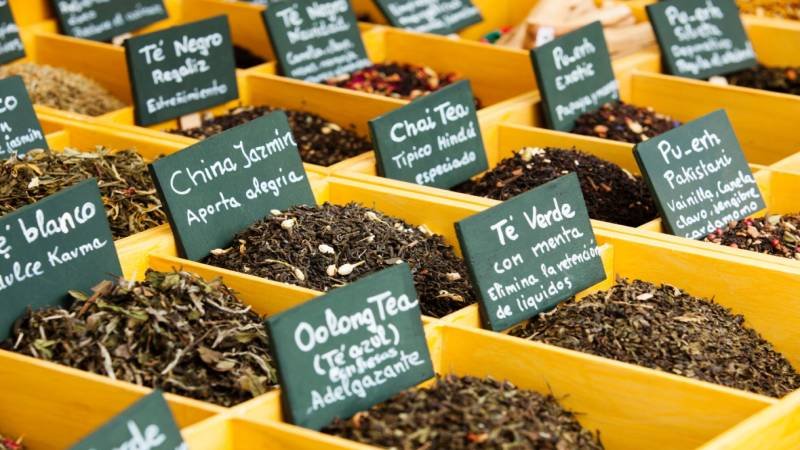
When selecting tea, many consumers traditionally rely on varietal names or brand reputation to guide their choices. However, a more insightful approach involves considering the timing of the tea harvest. Understanding the influence of harvest timing on tea flavour and quality can lead to a more rewarding tea experience. For those exploring authentic sources, the IKKYU Tea traditional tea house offers a range of teas harvested at specific times, preserving the essence of each season.
Understanding Tea Harvesting
Tea leaves are harvested multiple times throughout the year, with each harvest period imparting unique characteristics to the tea. The timing of the harvest affects the biochemical composition of the leaves, which in turn affects aroma, taste, and health benefits.
Primary Harvest Seasons
Typically, tea harvests are divided into several key seasons, including the first flush, second flush, and autumn harvest. The first flush refers to the initial spring picking, known for its delicate and fresh flavour profile. The second flush, occurring in early summer, often yields teas with a richer and more robust flavour. Autumn harvests produce teas with a mature and mellow character.
The First Flush Advantage
Teas harvested in the first flush are prized for their vibrant, green notes and subtle sweetness. The young leaves have minimal exposure to environmental stressors, resulting in higher concentrations of certain antioxidants and amino acids. Consequently, first flush teas are often considered superior in quality and command premium prices.
Second Flush Characteristics
The second flush harvest generally features leaves that have developed further, lending teas a fuller body and deeper flavour. This period can produce distinctive muscatel notes, especially prominent in certain varieties. This flush is ideal for those seeking a more pronounced taste experience.
Autumn Harvest Traits
Autumn-harvested teas tend to be more mellow, with a smooth finish and lower astringency. The cooler weather before harvest contributes to changes in leaf chemistry, making these teas appealing for those who prefer gentle flavours.
Benefits of Buying Tea by Harvest
Choosing tea based on harvest season rather than solely on name can enhance appreciation of the beverage’s seasonal qualities. It enables consumers to select teas that match their flavour preferences and desired characteristics.
Freshness and Quality
Harvest-based selection encourages attentiveness to freshness since seasonal teas can degrade if not consumed within optimal periods. Knowing the harvest time ensures greater transparency about tea age and quality.
Flavour Precision
Understanding the nuances of each harvest allows for precise flavour selection. Whether aiming for the crisp brightness of a spring harvest or the mellow smoothness of an autumn harvest, consumers can make informed decisions.
Seasonal Variation Awareness
Seasonality significantly influences tea’s chemical profile. Selecting tea by harvest harvest embraces this natural variation, offering an authentic and varied tasting experience throughout the year.
Tea Storage and Preservation
Once tea is acquired, especially seasonal harvest teas, proper storage is essential to maintain freshness and flavour. Storage in a cool, dark, and dry environment is recommended. Using airtight containers limits exposure to air and moisture, preserving delicate aromas and compounds.
Complementary Teaware Selection
Enhancing the tea experience also involves choosing appropriate teaware. The takatori teaware, known for its fine craftsmanship and aesthetic appeal, provides ideal utensils that complement the nuances of seasonal teas. Using quality teaware can better extract flavours and elevate the sensory enjoyment.
Health Considerations of Seasonal Teas
Teas harvested at different times also vary in their health-promoting compounds. Early harvests typically contain higher concentrations of antioxidants, which support wellness. Exploring health tea collections that focus on seasonal harvests can provide both flavour and functional benefits.
Conclusion
Opting to purchase tea by the timing of harvest rather than by variety name offers tea drinkers an enriched understanding and appreciation of their beverage. Seasonal distinctions influence flavour, aroma, and health qualities, providing varied experiences that align with individual preferences. Moreover, sourcing from authentic vendors like the IKKYU Tea traditional tea house guarantees access to specially harvested teas and complementary teaware. This approach transforms tea consumption into a carefully curated practice that honours the origins and cycles of the tea plant.
In summary, harvest-based tea selection presents a compelling case for enthusiasts seeking refined taste profiles, freshness, and health benefits, making it a preferred method over conventional name-based purchases.