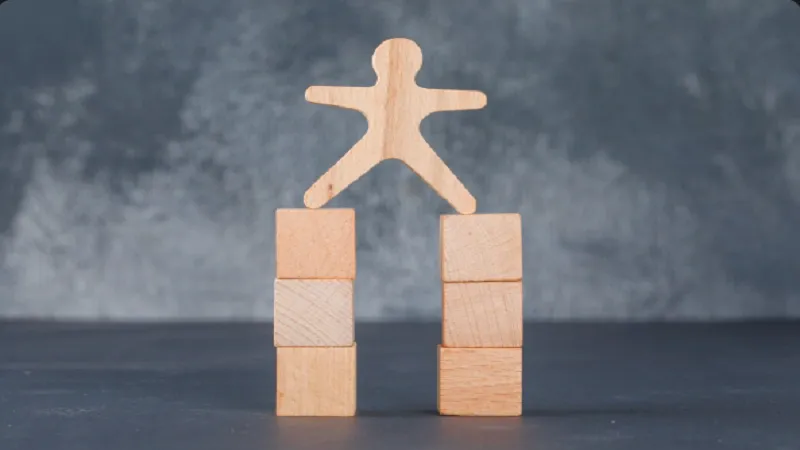
Recovery after a serious injury gets talked about almost entirely in medical terms — physical therapy sessions, follow-up appointments, pain management. What gets far less attention is something research consistently shows matters just as much: who’s actually standing beside a person while they heal.
It turns out the people around an injured person aren’t just providing comfort. They’re influencing measurable, physical outcomes.
What the Research Actually Shows
The connection between social support and recovery isn’t a soft, feel-good assumption — it’s been studied directly, and the findings are fairly consistent. Among more than 900 patients treated at Level I trauma centers, those with the strongest perceived social support had better physical and mental health outcomes six to twelve months after their injury, while those with weak or nonexistent support networks fared significantly worse, according to researchers studying perceived social support and recovery outcomes after injury.
The pattern holds across different injury types and populations. In a study following more than 1,600 people recovering from musculoskeletal injuries after transport accidents, both the structure of a person’s family and their broader sources of social support were linked to differences in physical health, ongoing pain levels, and how quickly people returned to work, according to research published in Health and Quality of Life Outcomes. People with stronger support networks weren’t just happier during recovery — they were functioning better, faster.
Why Support Changes the Trajectory, Not Just the Experience
It would be easy to assume social support just makes a difficult recovery feel more bearable emotionally, without actually changing outcomes. The research says otherwise. A qualitative study of people recovering from musculoskeletal injuries found that participants who received consistent emotional and practical support from family and friends described tangible differences in how their recovery unfolded — not just how it felt, according to a study published in PLOS One examining social support and recovery from musculoskeletal injury. Family members and friends in the same study confirmed providing that support was a genuine, ongoing commitment, not a one-time gesture after the initial injury.
More recent research has found that strong support networks can even help offset disparities driven by socioeconomic circumstances. A 2025 study of trauma patients found that individuals with lower socioeconomic status but strong support networks had post-traumatic stress outcomes similar to those with higher socioeconomic status and comparable support — suggesting that a strong network can partially counterbalance other disadvantages during recovery, according to research on social support and trauma recovery published in the American Journal of Surgery.
What a Real Support Structure Actually Includes
“Support” tends to get reduced to a single idea — someone checking in occasionally — but the research points to something more layered:
Practical, ongoing help, not just a one-time offer. Rides to appointments, help around the house, and assistance with daily tasks matter more the longer recovery takes, not less.
Consistent emotional presence, especially past the initial weeks. The early flood of support after an injury often fades exactly when the emotional weight of a long recovery starts to set in.
Workplace and employer support, which research specifically ties to faster return-to-work outcomes. A flexible, understanding employer isn’t a minor detail — it’s a measurable factor in recovery speed.
Support that’s actually wanted, not just well-intentioned. Some of the same research found that support perceived as unhelpful or intrusive can be associated with worse outcomes, which means checking in on what kind of help someone actually needs matters as much as offering help at all.
Where the Financial and Legal Side Fits In
For injuries caused by someone else’s negligence, one of the most overlooked forms of support is simply not having to carry the financial and administrative burden of recovery alone. Medical bills, lost income, and the practical work of dealing with insurance companies all add strain at precisely the moment a person has the least capacity to handle it — and that strain compounds the very support gap the research points to.
This is often where having someone in your corner for a personal injury claim becomes part of a broader support structure, not a separate concern from it. Handling the legal and financial complexity on someone’s behalf frees up the same emotional and practical bandwidth that family, friends, and employers are trying to provide — allowing an injured person’s actual support network to focus on what it does best, rather than being pulled into paperwork and negotiations.
Building the Support System Recovery Actually Requires
For families and friends of someone recovering from a serious injury, a few things make a genuine difference: showing up consistently rather than only in the first week, asking what kind of help is actually wanted rather than assuming, and recognizing that recovery timelines are often longer than the initial burst of concern from others tends to last.
For the person recovering, it means being willing to accept help, communicate what’s actually needed, and recognize that leaning on other people — including professionals who can handle the parts of recovery that aren’t medical — isn’t a sign of weakness. The research is detailed on this point: recovery isn’t purely a function of the injury itself. It’s shaped just as much by who and what stands behind the person going through it.
See More: ftasiastock