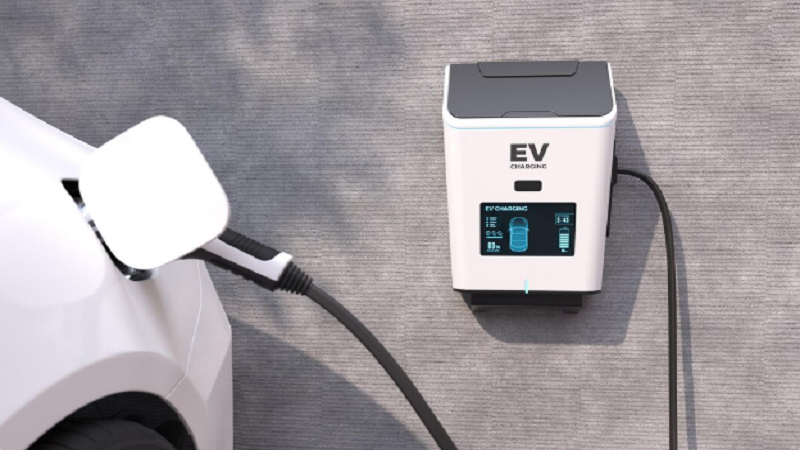
Electric vehicles are no longer some kind of odd niche thing. More people drive EVs for everyday commuting, long road trips, deliveries, and business travel, kind of as a routine. As this shift keeps growing, one thing becomes clear, charging access matters just as much as the vehicles themselves. For businesses, this opens up a real opportunity to help customers, support employees, and also plan for future transportation needs.
A few years back, EV charging was mostly treated like a parking-structure or highway-stop kind of feature, or maybe something you’d find only at big shopping centers. Now the talk is wider, almost everywhere. Offices, apartment buildings, hotels, retail locations, universities, hospitals, and fleet operators are all starting to ask how charging fits into their long-term thinking. It isn’t only about offering a pleasant little extra. In a lot of situations, it is turning into part of what keeps properties competitive and ready for what comes next.
One of the biggest reasons companies pay attention is convenience. EV drivers frequently route their whole day around charging availability. If a hotel, office, or shopping center provides dependable charging, it can make the place noticeably more attractive. Customers might stay longer, employees may feel more secure and supported, and tenants can view the property as newer, practical, and honestly more forward-looking.
There is also a branding benefit. Installing EV chargers shows that a business is thinking ahead. It signals that the company cares about cleaner transportation, better infrastructure, and the changing needs of its audience. For many customers, especially younger and environmentally conscious groups, these details can influence how they view a brand.
In the middle of this transition, businesses need more than just hardware. They need reliable ev charging solutions that make sense for their location, usage patterns, energy capacity, and future growth. A small office may need a few chargers for employees, while a hotel or commercial property may need a more scalable setup that can handle visitors throughout the day. Choosing the right approach early can help avoid expensive upgrades or poor user experiences later.
Another important factor is fleet electrification, delivery companies, service providers, and other transport businesses are slowly shifting toward electric fleets. For these organizations, charging is not just some customer perk it is also woven into their day-to-day operations. If the vehicles cannot recharge efficiently, then routes get pushed back, expenses can creep up, and overall output can take a hit. So fleet operators really need charging infrastructure that is reliable, simple to oversee, and made around the actual needs of the company.
Property owners, too, are increasingly treating EV charging like a value booster. In competitive real estate markets, modern amenities tend to matter. Much like high-speed internet, smart entry systems, and energy-efficient lighting became expected features, EV charging may turn into a default inclusion in commercial and residential spaces. Those buildings that prep early might end up having an edge over the ones that wait.
Naturally, putting EV chargers in place takes planning. Businesses have to think about charger type, what power is actually available, installation expenses, ongoing maintenance, software oversight, payment options, and how much use the site will see. A rushed deployment can cause annoyance. The budget side is also easier than many owners assume, since public support programs in several European countries, such as government grants for businesses in France, can cover a meaningful share of charging equipment and installation costs. If the chargers are sluggish, often out of service, or hard to figure out. But a careful rollout, tends to support today’s drivers and also upcoming expansion, without so much chaos.
On the positive side, the rise of EVs opens up possibilities for innovation and efficiency. Monitoring, managing, and scaling charging operations are becoming easier tasks. Companies are able to analyze usage statistics, manage access and charging fees, and plan necessary improvements based on accurate data. Instead of guessing, organizations are now making investments based on strategy and foresight.
With more and more motorists switching to driving EVs, businesses have to make an important decision: they can either wait and act at a later stage or prepare themselves for what’s coming. In the transportation market which has already started changing, companies cannot afford ignoring their customers’ needs regarding EV charging facilities anymore.
Investing in EV charging infrastructure is a wise move that should be considered by all businesses aiming for convenience, sustainability, and progress.